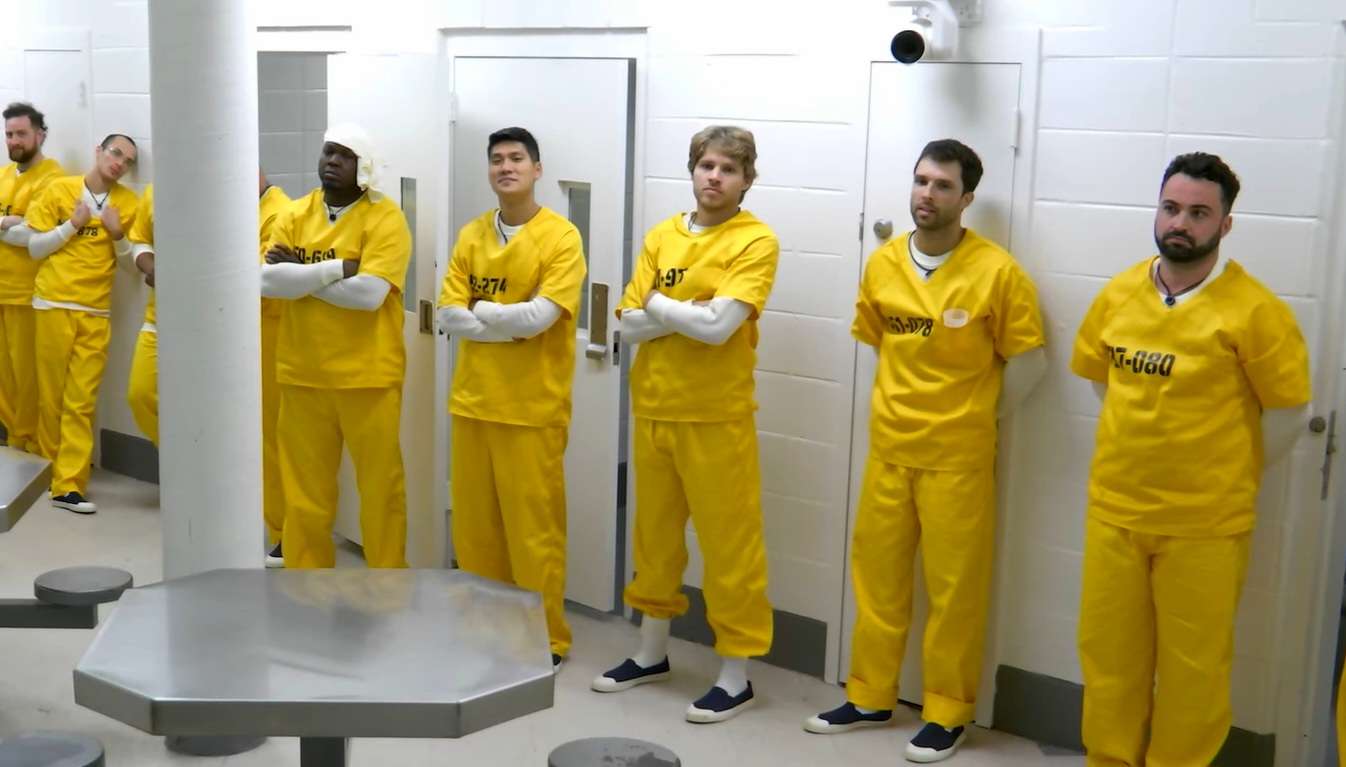


Netflix has officially dropped the chilling first trailer for The New Stanford Prison Experiment, immediately reigniting one of the most controversial psychological debates in modern history. The terrifying teaser has sent shockwaves across social media as viewers witness real people descending into psychological chaos inside an actual correctional facility.
Decades after Philip Zimbardo's infamous 1971 study shocked the academic world, this groundbreaking Netflix docuseries sets out to answer an uncomfortable question: what happens when ordinary humans are placed into a modern, high stakes prison simulation? With millions of views piling up within hours of release, the trailer has sparked a massive online debate regarding human ethics, power dynamics, and reality television boundaries.
The Breakdown: Unfiltered Psychological Chaos
The intense trailer introduces thirty participants selected from diverse social backgrounds, all transported into an authentic, functioning prison facility. Rather than a controlled university basement like the original experiment, these volunteers are divided into two distinct groups: guards and inmates. The stakes immediately spiral out of control as authority is tested and moral boundaries crumble.
Visuals from the trailer show guards swiftly escalating disciplinary tactics, forcing inmates onto the floor, ordering twenty-three hour lockdowns, and cutting off privileges. Tensions reach a boiling point as inmates contemplate open rebellion against their captors. The psychological toll becomes instantly visible as participants struggle to separate reality from the social exercise.
"What is real, and what is pretend? I am gonna make it hell for you. We went too far. I think we made a mistake."
From intense verbal confrontations to participants breaking down emotionally inside locked cells, the footage paints a terrifying picture of how rapidly authority corrupts human behavior. The trailer highlights chilling quotes from guards declaring fortune favors the bold while inmates openly warn that someone could end up severely injured or killed before the experiment concludes.
Context and Industry Hype: Ethical Debate Explodes
The original 1971 Stanford Prison Experiment was abruptly terminated after just six days due to severe emotional trauma suffered by student participants. By recreating this notorious experiment in a real-world facility with thirty modern adults, Netflix is taking a massive gamble that has entertainment critics and psychologists talking. Industry insiders expect the series to be one of the most streamed docuseries of the season.
Reactions across social platforms have been overwhelmingly intense, with fans debating whether the social study crosses dangerous ethical lines for entertainment. The dramatic tension between system power and human endurance positions the project as an addictive, thought-provoking event that promises to dissect the darker corners of human nature.
Conclusion
The New Stanford Prison Experiment looks poised to captivate audiences worldwide by pushing psychological boundaries to their absolute limit. As authority and defiance clash in real time, this ambitious Netflix release promises an unforgettable look at the terrifying speed with which power alters human empathy.



User Discussion